Benefits of Zoning Your AC System for Large Homes
Picture two people in the same house arguing over the thermostat, one shivering in the study while the other swelters in the upstairs bedroom. It's a scene that plays out in large and multi-level homes every summer, and it usually comes down to one thing: the air conditioning system was never designed to treat every room the same way. It's a gap that's led more homeowners looking into
air conditioning installation Dubbo to ask about zoning specifically, rather than just a bigger or stronger system. Rather than pumping the same volume of cooled or heated air through the entire house, a zoned system lets you control temperatures room by room or level by level. The result is a home that actually feels comfortable everywhere, not just near the nearest vent, and a system that works smarter rather than harder to get there.
What Is AC Zoning And How Does It Work
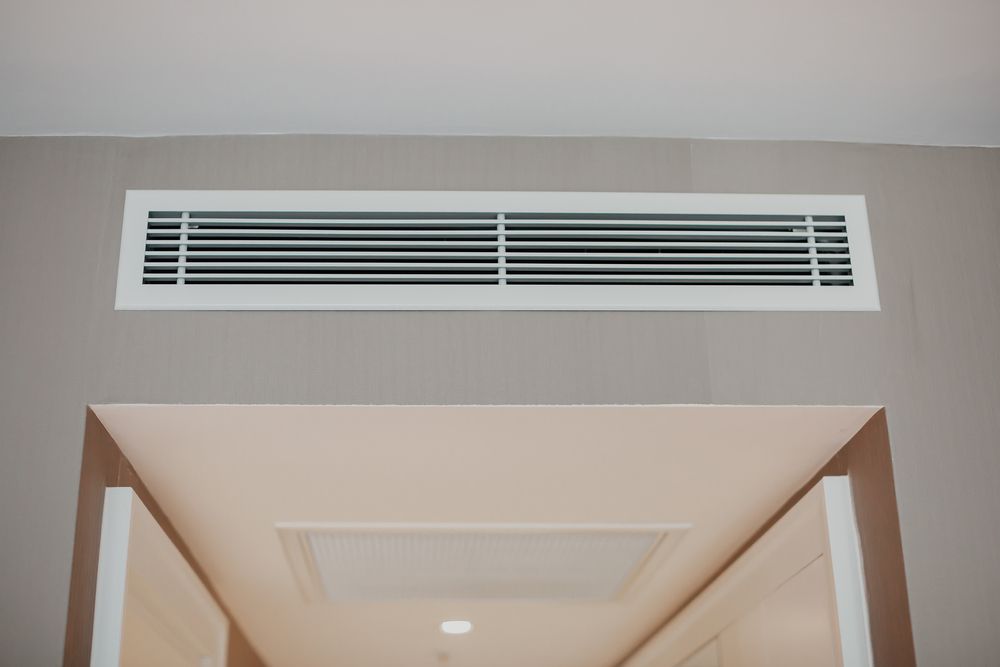
Zoning is a way of dividing a ducted air conditioning system into separate sections, each with its own temperature control. Instead of one thermostat dictating conditions for the whole house, motorised dampers inside the ductwork open and close to direct airflow to specific zones, guided by a central zone controller. This means a system can cool the living areas while leaving unused bedrooms untouched, or run a single zone overnight without conditioning the entire floor plan.
A zoned setup can be as simple as two zones or as detailed as one per room, depending on the layout and how the home is used:
- Single-zone systems treat the whole house as one temperature area
- Multi-zone systems split the home into independently controlled sections
- Motorised dampers direct airflow to active zones only
- A central controller lets you set different temperatures per zone
- Zoning can be added to new systems or retrofitted in some cases
Why Large And Multi-Level Homes Benefit Most From Zoning
The bigger the home, the harder it is for a single, unzoned system to keep every room at a consistent temperature. Heat rises, sunlight hits some rooms harder than others and multiple storeys create natural temperature layers that a one-size-fits-all approach simply can't manage. Homes with distinct living zones, such as a separate rumpus room, home office or upstairs retreat, often end up with some areas overcooled and others left uncomfortable, no matter how the thermostat is set.
Local conditions make this even more pronounced, with hot, dry summers and cold winter nights creating a wide daily temperature swing that a single zone struggles to keep up with:
- Upstairs rooms often run hotter than ground floor living areas
- North-facing rooms can heat up faster than the rest of the house
- Multi-storey homes create natural temperature layering
- Unused rooms waste energy when conditioned unnecessarily
- Seasonal extremes widen the gap between comfortable zones
How Zoning Reduces Energy Waste And Running Costs
One of the most practical advantages of zoning is that it stops you paying to condition rooms nobody is using. A traditional ducted system often runs at full capacity across the whole house, regardless of whether three rooms are occupied or ten. Zoning changes that equation by letting the system focus its output where it's actually needed, which reduces the load on the compressor and cuts unnecessary energy use.
Over time, this more targeted approach adds up to a meaningful difference on running costs, particularly in homes with several rooms that are only used part of the day:
- Only occupied zones draw on full heating or cooling capacity
- Reduced system load can lower electricity consumption
- Less strain on components may support longer equipment life
- Empty rooms, guest bedrooms and storage areas use minimal energy
- Seasonal changes are easier to manage zone by zone
Improved Comfort And Independent Temperature Control
Comfort isn't one-size-fits-all, and zoning acknowledges that different people and different rooms have different needs. A nursery might need to stay warmer overnight while a home gym stays cooler during the day, and a zoned system allows both to happen at once without compromise. This kind of independent control removes the constant back-and-forth adjustment that comes with a single thermostat trying to please everyone.
Multi-zone control also suits the way large households actually live, with different routines, different preferences and different rooms in use at different times:
- Bedrooms can be set cooler for sleep without affecting other zones
- Living areas can stay warmer during the day for family time
- Home offices can maintain steady conditions during work hours
- Guests or teenagers can set their own preferred zone temperature
- Adjustments in one zone don't disrupt comfort elsewhere
Why Zoning Should Be Professionally Designed And Installed
Zoning only delivers on its promise when it's planned properly from the outset. Getting the number of zones right, sizing the ductwork correctly and positioning dampers so airflow remains balanced all require a solid understanding of the home's layout and how the system will be used day to day. A poorly planned zoning setup can lead to pressure issues, uneven airflow or a system working harder than it should, undoing the very efficiency gains zoning is meant to provide.
This is why zoning is best treated as part of a broader system design rather than an afterthought, especially when it comes to split systems and ducted cooling for residential or commercial needs:
- Correct system sizing prevents under or over-conditioning of zones
- Ductwork must be designed to handle zoned airflow demands
- Zone controller placement affects accuracy and responsiveness
- Damper configuration needs to suit the specific floor plan
- Ongoing servicing keeps zoned systems performing as intended
Getting The System Sizing Right From The Start
Zoning can only work as well as the system it's built on, which is why sizing matters just as much as the zoning design itself. A unit that's too small will struggle to keep up once split across multiple zones, while an oversized system can short-cycle and wear out faster without ever running efficiently. Getting this balance right from the outset means the whole setup, from compressor capacity through to ductwork and zone controllers, works together instead of fighting against itself.
Before any zoning decisions are locked in, it helps to have a clear picture of what the base system needs to handle:
- System capacity should match the home's total floor area
- Zoning adds complexity that sizing calculations need to account for
- Undersized systems struggle once split across several zones
- Oversized systems can short-cycle and lose efficiency
- Getting sizing right early avoids costly adjustments later
Getting air conditioning installation Dubbo households can rely on for zoning means starting with a system designed around the home, not fitted around a generic template. If you're planning a new system or upgrading an existing one, working with a team that understands air conditioning installation in Dubbo from the ground up makes it far easier to get zoning right the first time. And if you're still weighing up capacity before zoning even comes into the picture, it's worth reading up on choosing the right air conditioner size for your home first.
Keeping A Zoned System Running Smoothly Long Term
A zoned system isn't a set-and-forget installation, and its performance depends on the same upkeep any air conditioning setup needs, just applied across more moving parts. Dampers can drift out of calibration, filters still need regular attention and zone controllers occasionally need a firmware check or reset to keep communicating properly with the rest of the system. Staying on top of these small details is what keeps a zoned system delivering the even, room-by-room comfort it was designed for, rather than slowly drifting back into the uneven temperatures it was meant to fix.
Regular servicing is the simplest way to protect the investment and keep every zone performing as intended:
- Filters should be checked and cleaned on a regular schedule
- Dampers benefit from periodic inspection to confirm smooth operation
- Zone controllers may need occasional recalibration or software updates
- Ductwork should be checked for leaks that affect zone balance
- Annual servicing helps catch small issues before they escalate
Get In Touch With Our Team
We at Jordan Wheatland Air Conditioning & Refrigeration understand how frustrating it is to live in a large Dubbo home where some rooms never quite reach a comfortable temperature. Our local team has seen firsthand how the region's hot summers and cold winters push standard systems to their limits, and we know what it takes to design a zoned system that actually keeps pace with those conditions. Whether you're building new, renovating or simply tired of arguing over the thermostat, we're happy to talk through what a properly zoned system could look like for your home. Give us a call or book a time with our team, and let's find a cooling and heating solution that works for every room in the house.