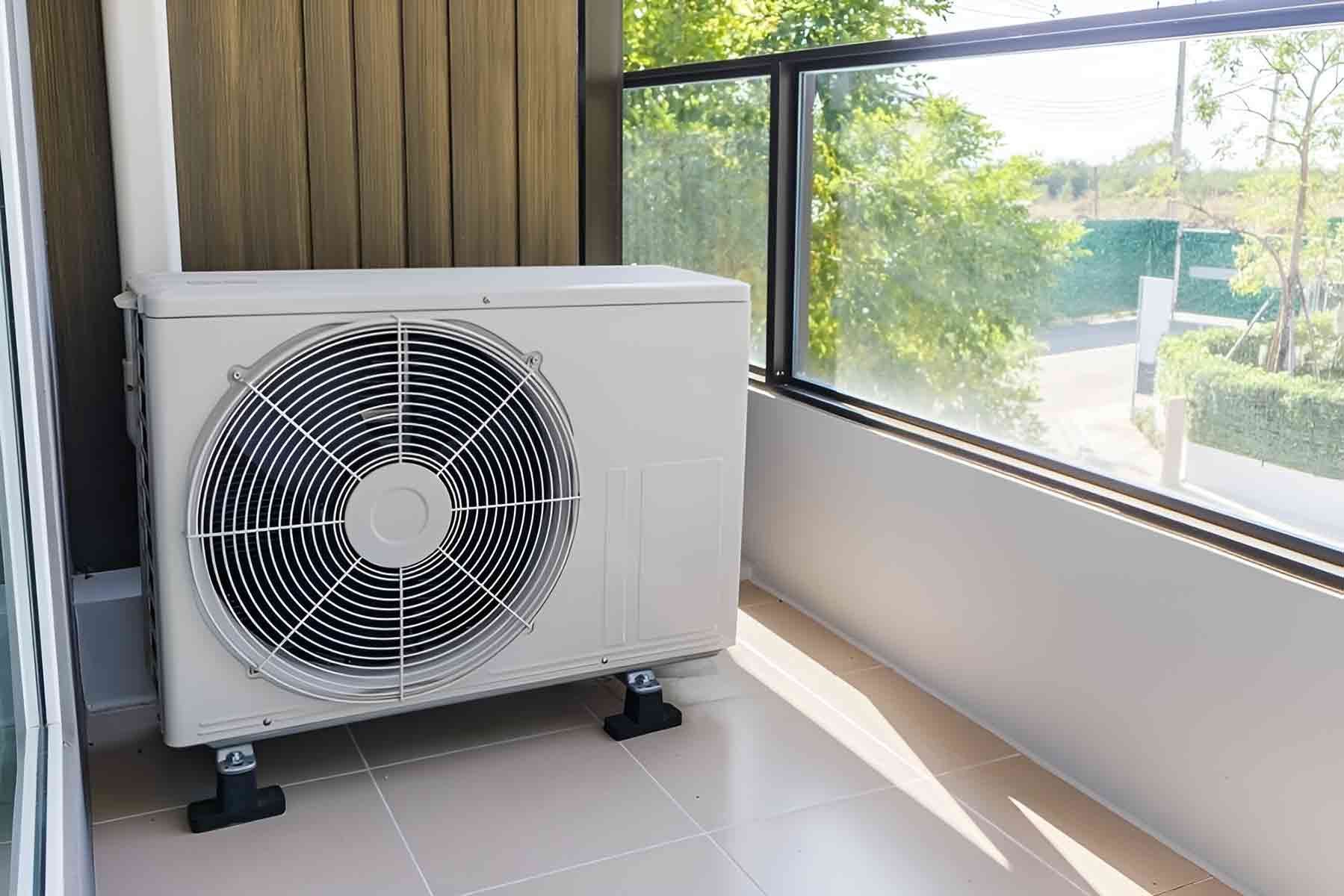
What Your Air Conditioner Noises Could Be Telling You
Your air conditioner hums along quietly in the background, until one day, it doesn't. Maybe it's a faint rattle you've been ignoring for weeks, or a sudden banging that stops you in your tracks. Whatever the sound, most people's first instinct is to hope it goes away on its own. Spoiler: it rarely does.
Unusual noises from an air conditioning system are rarely random. They're mechanical signals, often the earliest warning your unit gives before something goes seriously wrong. Whether it's a subtle hiss or an aircon making a loud noise that's impossible to ignore, the cause is almost always mechanical and worth investigating. Understanding what those sounds mean can be the difference between a straightforward repair and a costly system failure. This guide breaks down the most common AC noises, what's likely causing them, and why acting early is always the smarter move.
That Rattling Sound Isn't Just Loose Change in the Vents
A rattling noise coming from your air conditioner is one of the most common complaints technicians hear, and one of the most misunderstood. Many homeowners assume it's a minor issue, but rattling can point to several different problems depending on where the sound originates and how persistent it is.
Common causes of rattling in an air conditioning unit include:
- Loose panels or fasteners — vibration over time can cause screws and casing panels to work themselves free
- Debris inside the outdoor unit — leaves, twigs, or small objects can get caught in the fan assembly
- A failing compressor — internal components beginning to break down can produce a distinct rattling or shaking
- Loose ductwork — in ducted systems, poorly secured ducts vibrate when air is forced through them at pressure
A technician can quickly identify whether the source is external and easily resolved, or internal and in need of more involved air conditioning servicing.
Why a Hissing Aircon Is Never Something to Brush Off
A hissing sound from your air conditioner deserves immediate attention. In most cases, it points directly to a refrigerant leak, and that's a problem that compounds quickly if left unaddressed.
Refrigerant travels through a sealed system under pressure. When a crack or loose connection develops in the refrigerant line, the pressurised gas escapes and produces that distinct hissing sound. Beyond the noise, the consequences include:
- Reduced cooling capacity — the unit struggles to reach set temperatures
- Increased energy consumption — the system overworks to compensate
- Potential damage to the compressor — running low on refrigerant puts significant strain on this core component
- Health and environmental concerns — refrigerant is a regulated substance that shouldn't be released into the atmosphere
Refrigerant handling requires a licensed technician. This isn't a DIY fix, it involves locating the source of the leak, repairing it, and correctly recharging the system to manufacturer specifications.
A Banging Noise from the Outdoor Unit Signals Mechanical Trouble
A loud banging or thumping coming from the outdoor condenser unit is one of the more alarming sounds a system can produce, and for good reason. It typically indicates that something is physically striking the inside of the unit, or that a component has come loose or broken entirely.
Possible causes include:
- A bent or broken fan blade — if the blade has warped or fractured, it will strike the unit casing on every rotation
- A loose connecting rod or piston — internal compressor components that have come loose will knock against the housing
- Debris caught in the fan — similar to rattling, but more significant if the foreign object is larger
In most cases, banging warrants switching the unit off immediately to prevent further internal damage. Continuing to run it risks turning a manageable repair into a full component replacement.
Clicking That Won't Stop Is a Clear Electrical Warning Sign
A single click when your air conditioner starts up or shuts down is completely normal, that's just the contactor switching. But continuous clicking during operation is a different matter entirely, and it almost always points to an electrical fault somewhere in the system.
Electrical issues in air conditioning systems can stem from:
- A faulty thermostat — sending repeated on/off signals that cause constant clicking
- Failing capacitors — the components that help start the motor; when they're struggling, they often produce persistent clicking
- Defective relays or contactors — worn electrical components that fail to make a clean connection
- Control board faults — a malfunctioning circuit board may cycle signals erratically
Electrical faults in air conditioning systems carry a safety risk beyond just equipment damage. A licensed technician should assess and resolve any persistent clicking — it's not a fault to experiment with.
What's That Squealing? Your Fan Belt or Motor Bearings Might Be Failing
A high-pitched squealing or screeching noise is particularly unpleasant, and it's usually coming from one of two places: the fan motor bearings or, in older systems, a deteriorating fan belt.
Bearings allow the fan motor to spin smoothly. When they wear down through age, lack of lubrication, or general deterioration, friction builds and produces that characteristic squeal. In belt-driven systems (more common in older ducted setups), a worn or misaligned belt creates a similar sound.
What this often means for the system:
- The motor is approaching the end of its service life — catching it early extends the lifespan significantly
- Without lubrication or bearing replacement, the motor can seize entirely, requiring full replacement
- A broken fan belt in ducted systems will stop airflow distribution across the home altogether
Preventative maintenance, including lubrication checks and belt inspections, is a core part of professional air conditioning servicing and is far cheaper than reactive repairs.
Bubbling or Gurgling Sounds Could Mean Your Drain Line Is Blocked
A bubbling or gurgling sound from an indoor air conditioning unit is easy to overlook since it can seem minor compared to banging or screeching. However, it's a reliable indicator that the condensate drain line is either blocked, restricted, or has developed an air pocket due to a partial clog.
During normal operation, your air conditioner removes humidity from the air. That moisture collects and drains away through the condensate line. When that line becomes blocked:
- Water backs up into the drain pan, which can overflow and cause internal water damage
- Mould and bacteria can develop in stagnant water sitting in the drain tray
- The unit may shut itself down via a built-in overflow protection switch, leaving you without cooling
Drain line cleaning is a standard part of routine air conditioning maintenance and is a quick service when addressed before it escalates to a blockage.
A Noisy Aircon After Installation May Indicate an Improper Setup
Not all air conditioning noise problems stem from a failing unit. In some cases, an aircon that was never quiet to begin with, or became significantly noisier shortly after installation, is the result of installation issues rather than mechanical failure.
Common installation-related noise problems include:
- Incorrect unit sizing — an oversized unit that short-cycles will create frequent mechanical starts and stops, increasing wear and noise
- Poor mounting or bracket placement — vibration transfers into walls or ceilings when mounting hardware isn't properly isolated
- Undersized or incorrectly routed ductwork — creates pressure imbalances that produce whistling or rumbling when the system runs
- Refrigerant lines touching walls or structural elements — which causes vibration to transmit through the building
A proper installation assessment by a qualified technician can identify whether noise is symptomatic of how the unit was set up rather than a fault that developed over time.
Regular Servicing Is the Simplest Way to Prevent Noisy Aircon Problems
Most of the faults described in this article share something in common: they're far more likely to develop, and far more expensive to fix, in a system that hasn't been regularly serviced. Routine air conditioning maintenance gives a technician the opportunity to identify early warning signs before they escalate into the kind of failures that generate serious noise and serious bills.
A comprehensive service typically includes:
- Cleaning filters and coils — restricted airflow is a leading cause of system strain and noise
- Checking refrigerant levels — low charge is a precursor to hissing and compressor strain
- Inspecting electrical components — capacitors, contactors, and wiring are checked before they fail
- Lubricating moving parts — bearings and fan motors are assessed to prevent squealing and seizing
- Clearing the condensate drain — preventing the gurgling and water damage that comes from blockages
Scheduling a service annually, or more frequently in high-use environments, is the most cost-effective approach to keeping an air conditioning system running quietly and efficiently.
Ready to Get That Noise Diagnosed?
We at Jordan Wheatland Air Conditioning & Refrigeration understand that a noisy air conditioner is more than just an inconvenience, in a regional area like Dubbo, where summers push systems to their limits and a reliable unit is essential for comfortable living and working conditions, an unaddressed fault can quickly become a serious problem.
If your air conditioner is making sounds it shouldn't be, don't wait for a complete breakdown. Our team provides air conditioning in Dubbo for residential and commercial properties, covering everything from fault diagnosis and repairs to full installations and routine maintenance. Get in touch with us today to book a service or discuss what you're hearing — we'll help you work out exactly what's going on and what it takes to fix it properly.